English
  Polski
  Spanish
  Italian
  German
  French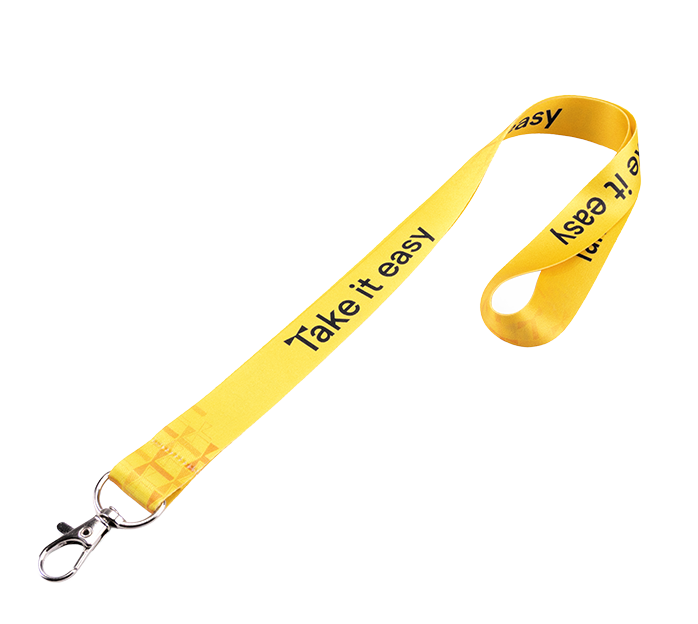
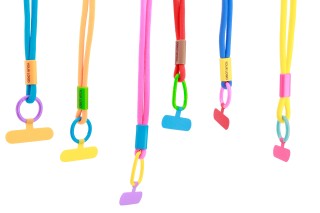
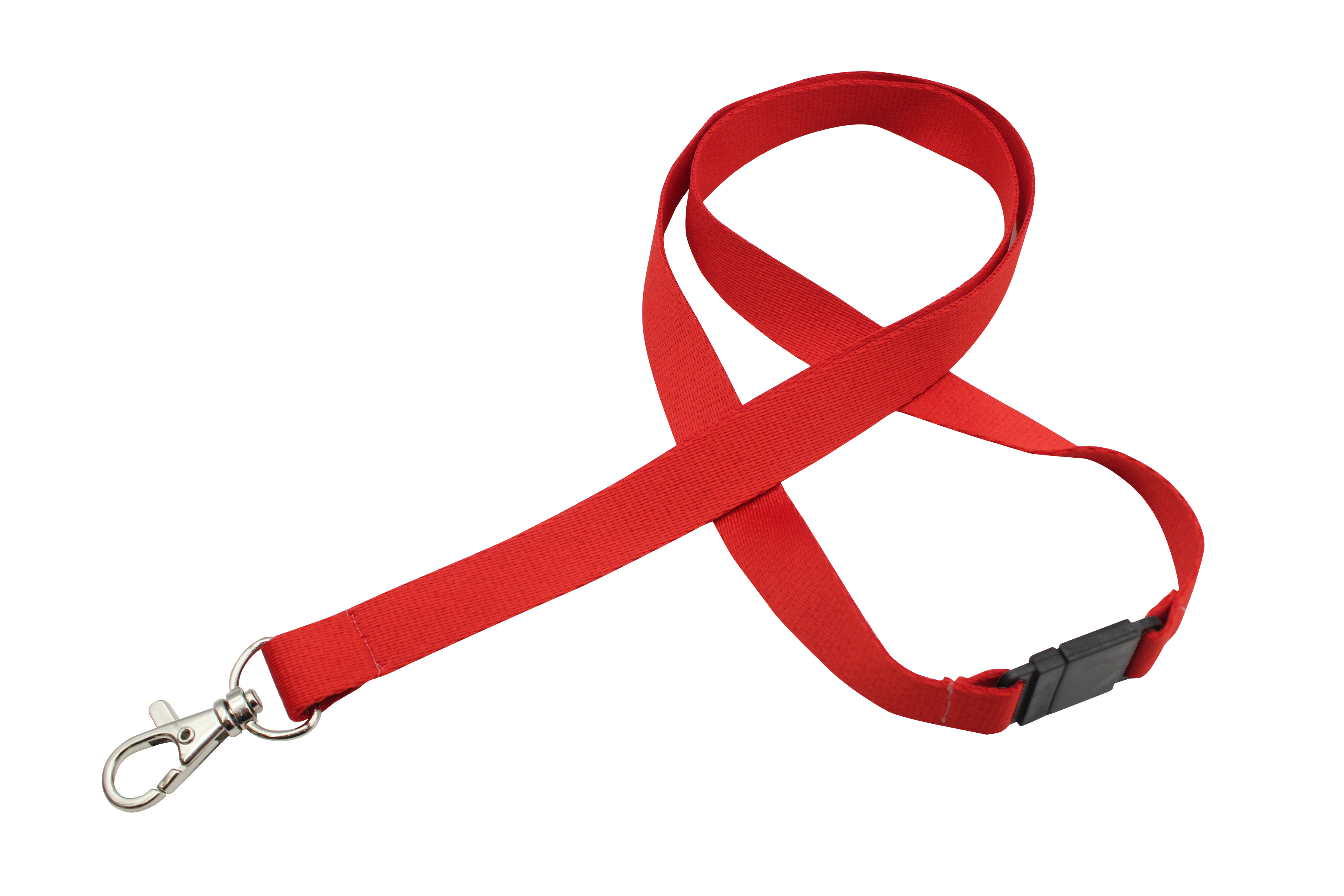
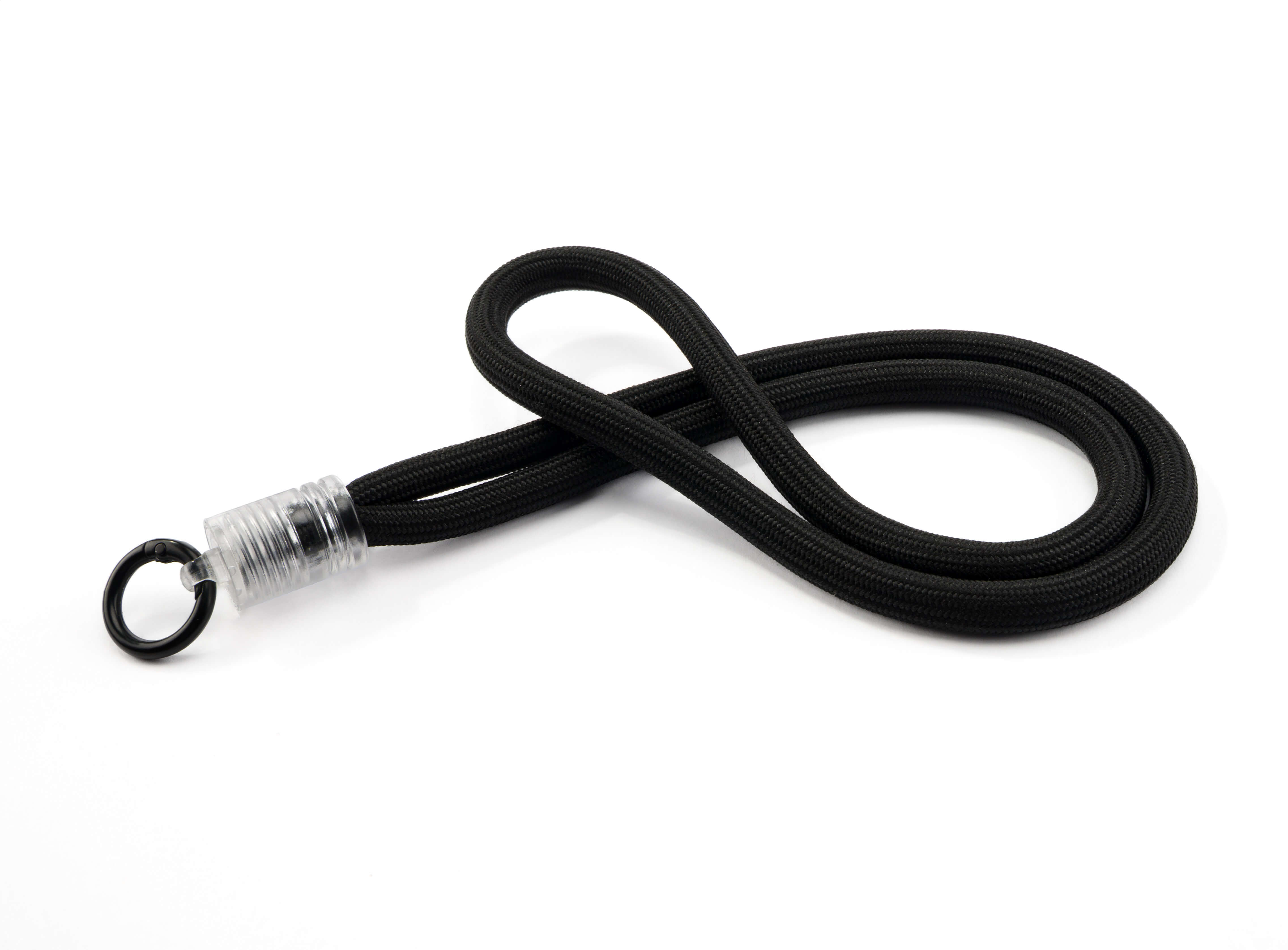
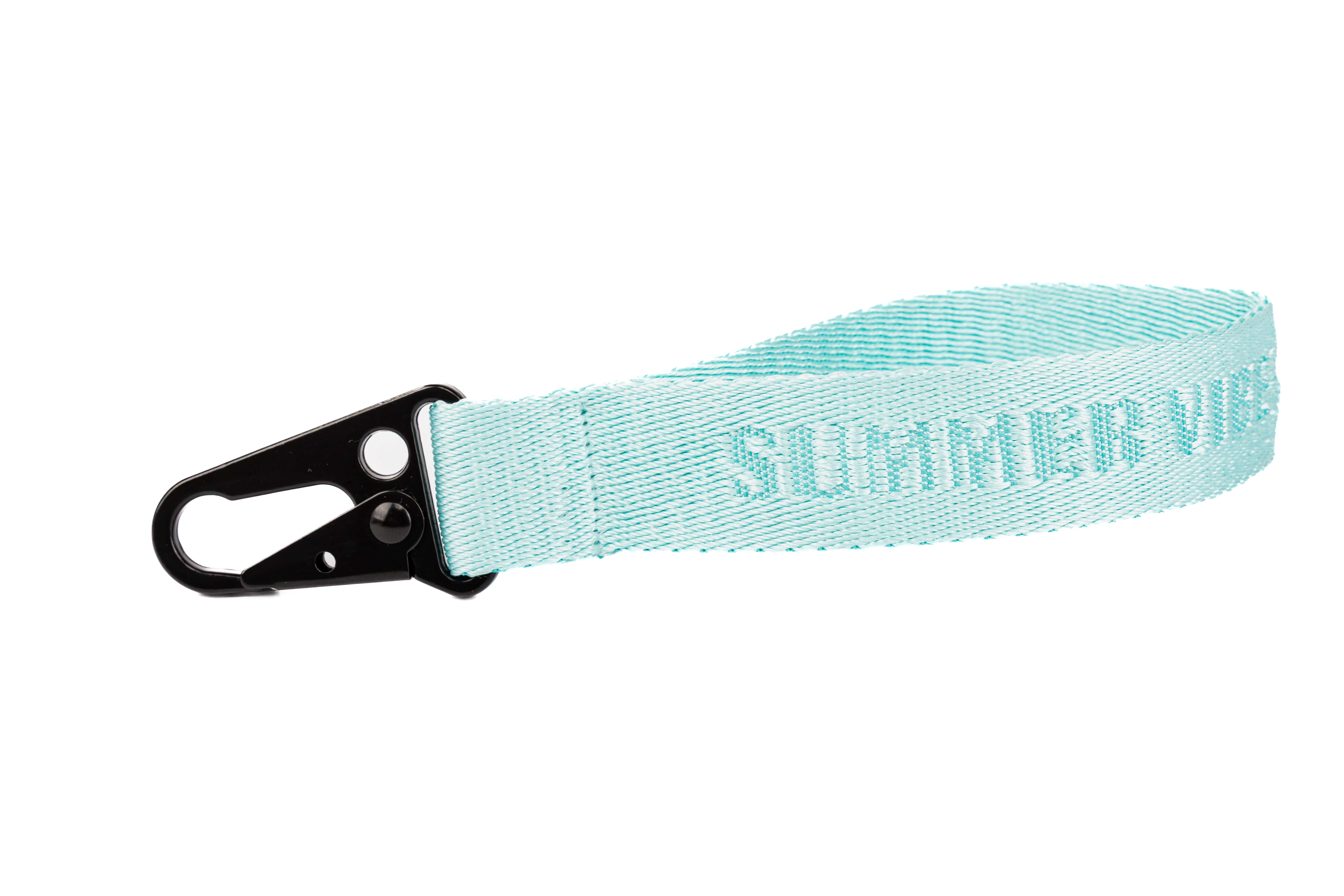
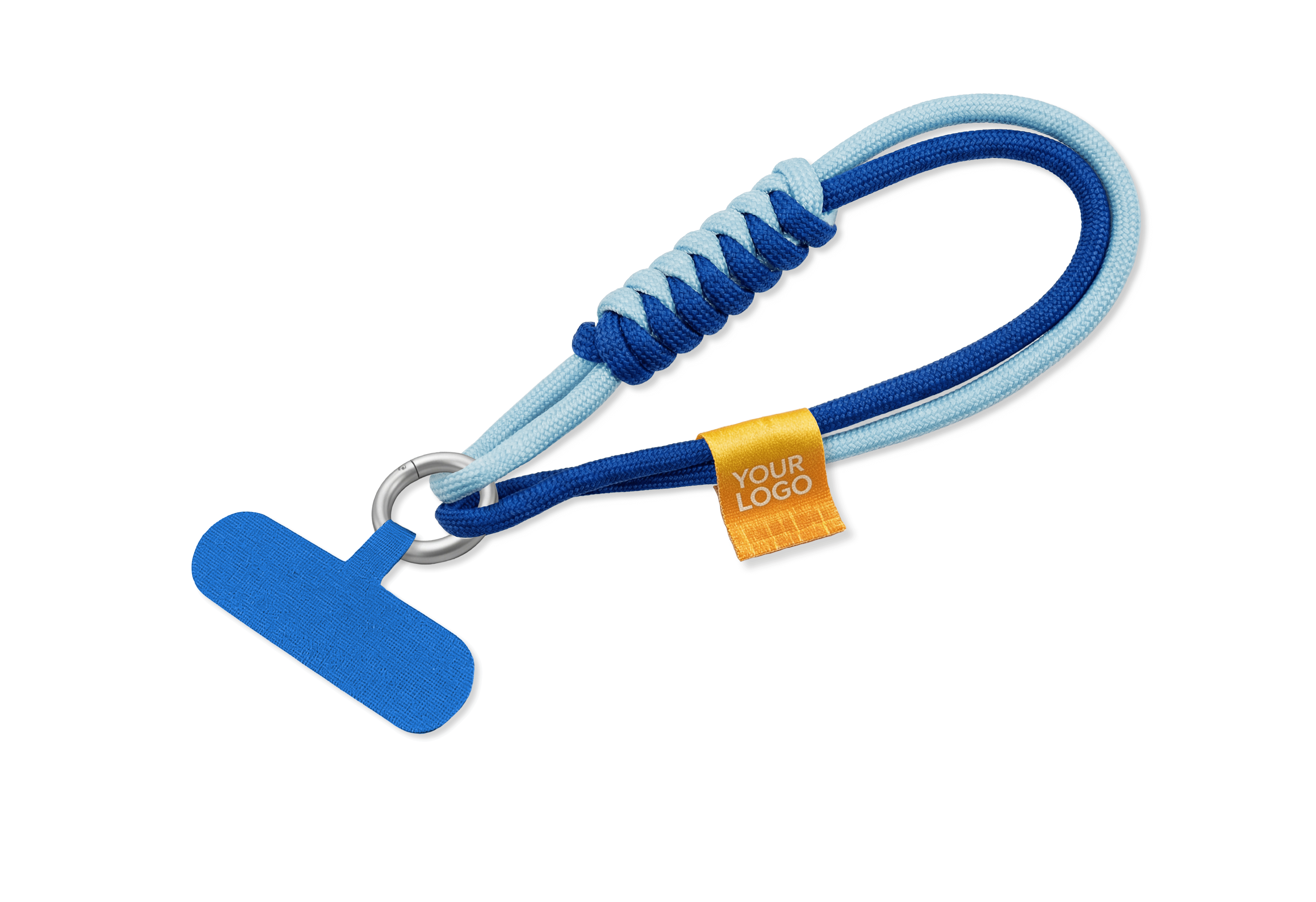

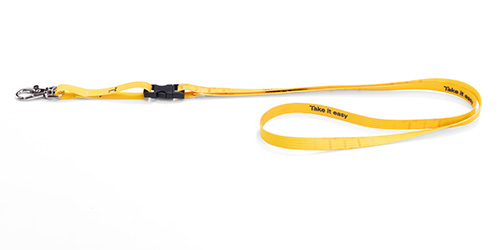
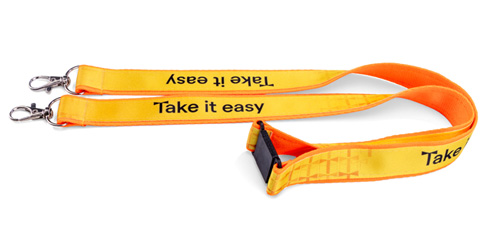
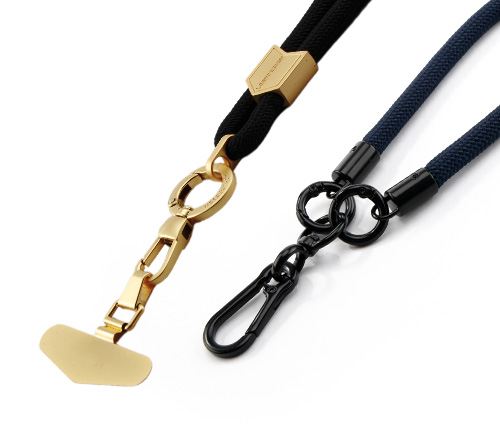













Not sure what the terms in a lanyard specification actually mean? We explain everything — from carabiner clips and breakaway safety connectors to double-sided print and thermal transfer. Read our manufacturer's glossary.
Table of contents
Promotional lanyard catalogues and product sheets are full of terminology that can baffle anyone who doesn't work in the industry every day. Carabiner clip, split ring, quick-release buckle, breakaway safety connector, tunnel tape, phone patch, thermal transfer — these terms appear constantly in product cards and order specifications, yet they're rarely explained in plain language. It's no wonder buyers feel a moment of uncertainty when configuring an order: you want absolute confidence that what you're ordering is exactly what your team needs.
This article is your personal, practical lanyard manufacturer's glossary. We cut through the jargon and organise the terms you'll encounter most often in a lanyard specification — explaining what each one means in the real world. The goal is simple: help you communicate clearly and confidently with your supplier, and with your own client if you're placing an order on behalf of a creative or marketing agency.
(One important note: this glossary focuses purely on decoding the language of product listings. Topics such as choosing the right lanyard model, selecting a print technique, preparing artwork, or understanding pricing are covered in depth in other articles on the TedGifted blog.)
How to Use This Lanyard Manufacturer's Glossary
Good news: this glossary is designed to be navigated, not read cover to cover. Rather than listing terms alphabetically, we've grouped them by function — accessories, tape types, construction variants, and print techniques. That structure makes it far quicker to find the difference between, say, a quick-release buckle and a breakaway safety connector without wading through unrelated entries.
For every entry, we follow the same straightforward format. Each term is explained by answering three specific questions.
What Does Each Term Mean in Practice?
This is the most important part of every definition. Instead of technical jargon and lengthy instructions, we explain each term in one clear sentence — so you immediately know whether you're looking at a type of tape, a clasp, or a specialist print method.
Where Will You Find It in a Supplier's Catalogue?
The next step is placing each term in context. For every entry, we indicate where it typically appears in a product listing — whether in the accessories configurator, the material specification, or the end-fitting options. That context makes reading a technical spec sheet significantly easier. You don't need to read the entire glossary — jump straight to the accessories, tape, or technique section for whatever you need.
Which Terms Are Most Commonly Confused?
This is the section that protects your budget. We clearly pair up similar-sounding terms — for example, a quick-release buckle versus a breakaway safety connector — and highlight the subtle but important distinctions that ultimately determine how your lanyard looks and functions.
Lanyard Accessories and End Fittings — What Do the Most Common Names Mean?
Accessories are where manufacturers and trade suppliers use the greatest concentration of technical language. When choosing end fittings, it's easy to lose track of which metal or plastic component is which. Below, we decode the terms you'll encounter most frequently
Carabiner Clips and Other Clasps
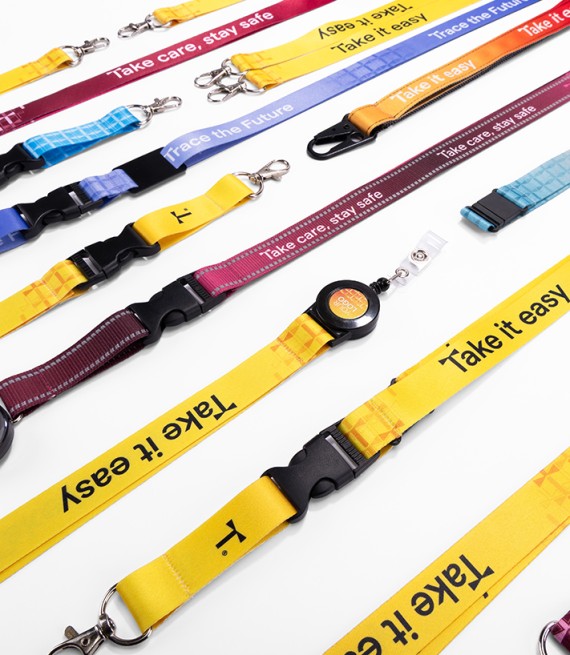
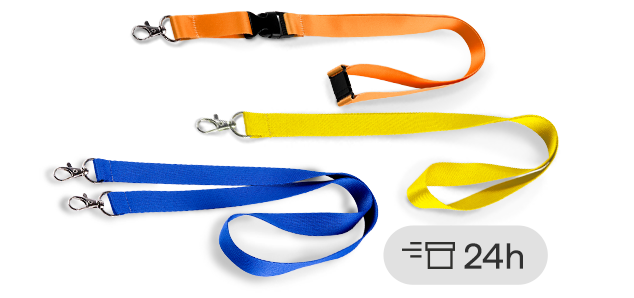
- Carabiner clip — the standard end fitting used to attach items to the bottom of a lanyard. Most manufacturers include it as the default option unless you select otherwise in the configurator. It's worth knowing that suppliers typically distinguish between two main variants: the fish-style carabiner (a classic, elongated clip — the standard default) and the crab-style carabiner (a wider, oval-shaped clip with a heavier build — usually available as an upgrade option)
- Shackle — a decorative, screw-pin U-shaped metal fastening. You'll encounter it primarily on nautical-style lanyards and in premium product ranges.
Buckles, Quick-Release Connectors, and Detachable Fittings
- Buckle / Quick-release buckle / Connector / Snap buckle — a releasable plastic fastener (commonly a three-pronged tri-glide style clip) that divides the lanyard into two sections. In a lanyard configurator it appears in the connectors section. It lets the wearer instantly detach the lower portion of the lanyard — keys and all — without removing the loop from around their neck. Be careful not to confuse this fitting with the breakaway safety connector at the nape of the neck. Both are plastic and both sit on the lanyard, but they serve completely different purposes
Breakaway Safety Connectors
- Breakaway safety connector / Safety release / Safety connector — a plastic mechanism positioned at the very top of the lanyard, at the back of the neck. In product listings it appears in the safety accessories section, often under H&S or PPE-adjacent options. Its function is to release automatically under sudden force or excessive load, protecting the wearer from strangulation. Unlike a quick-release buckle, you never need to operate a breakaway safety connector by hand — it is designed to react only to a sudden sharp pull.
Phone Patches, Cardholders, and Functional Add-Ons
- Phone patch / Phone holder — a short, thin cord designed to hold a mobile phone, USB drive, or small piece of electronic equipment. It allows items to be attached to the lanyard even when they have no loop or hole large enough for a standard carabiner clip.
- Sewn-in phone patch — the cord is permanently sewn into the end of the tape during manufacture, positioned alongside the carabiner clip. It cannot be removed.
- Clip-on phone patch (ring-mounted) — the cord comes fitted with a small split ring and attaches to the carabiner clip. Because it uses a detachable ring, it can be removed at any time — useful when the attachment is no longer needed.
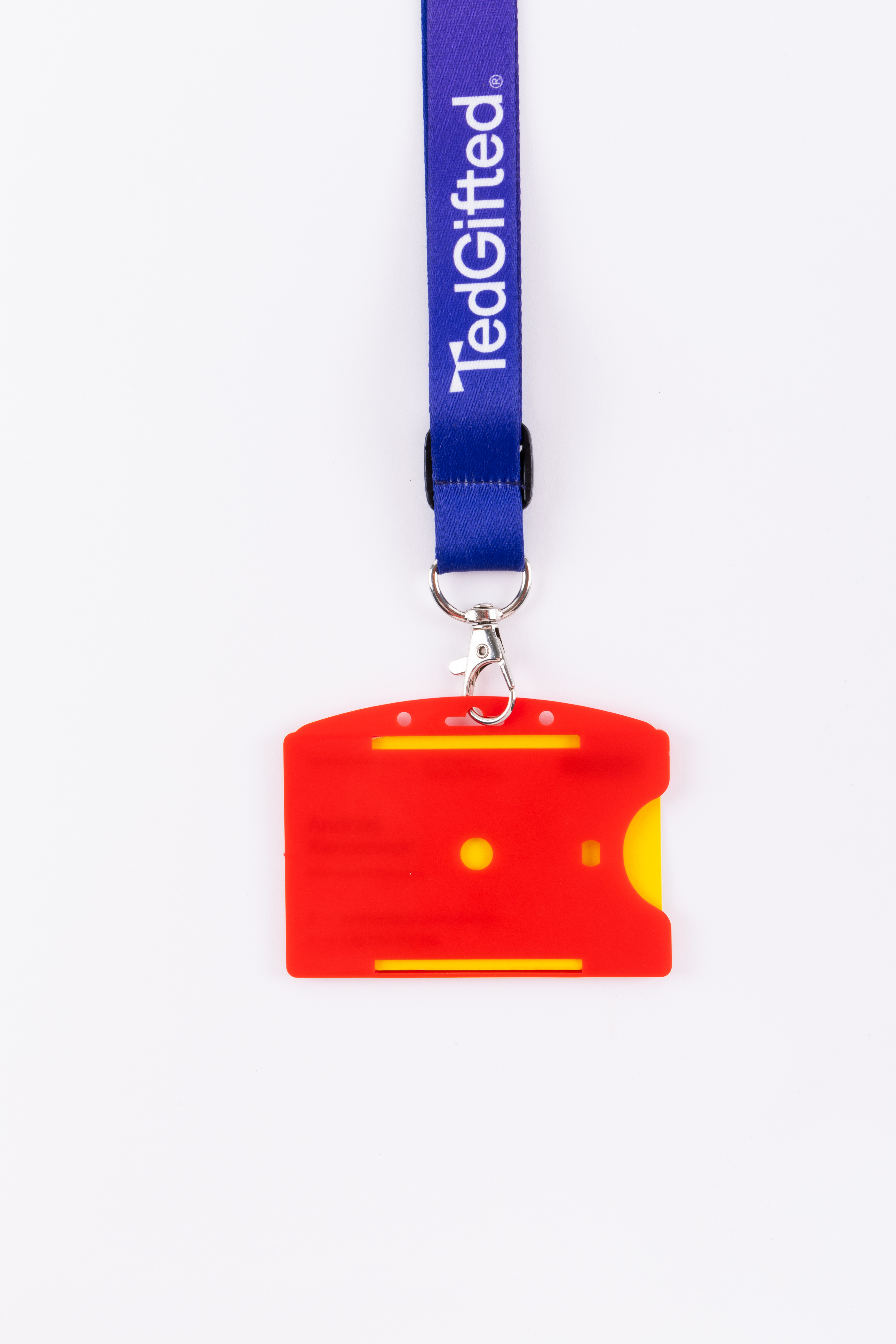
- Cardholder / PVC sleeve / ID holder / Badge holder — a pocket or wallet for business cards and access cards. A PVC sleeve is typically a soft, transparent flexible film. A cardholder (or hard cardholder) is a rigid, often moulded plastic case. In supplier catalogues, you'll find both listed under the ID badge holder section.
Metal Hardware and Mounting Components
- Split ring — a simple round ring, identical to a standard keyring. Often added alongside a carabiner clip to make attaching a large bunch of keys easier and more convenient.
- Lobster claw clip / Safety-pin carabiner — a specialist clip with teeth or a gripping mechanism, designed to catch fabric or soft badge holders.
- Crimp end piece — a C-shaped metal component that, once pressed closed, neatly joins and conceals the stitched ends of the tape at the very bottom of the lanyard, giving the finished product a clean, professional look.
Lanyard Tape and Construction — How to Read Model Descriptions
The terminology used to describe the tape itself can be equally confusing. Product descriptions regularly reference weave types, thicknesses, and surface finishes. Here's how to distinguish between the key concepts.
Flat Tape, Tunnel Tape, and Braided Tape
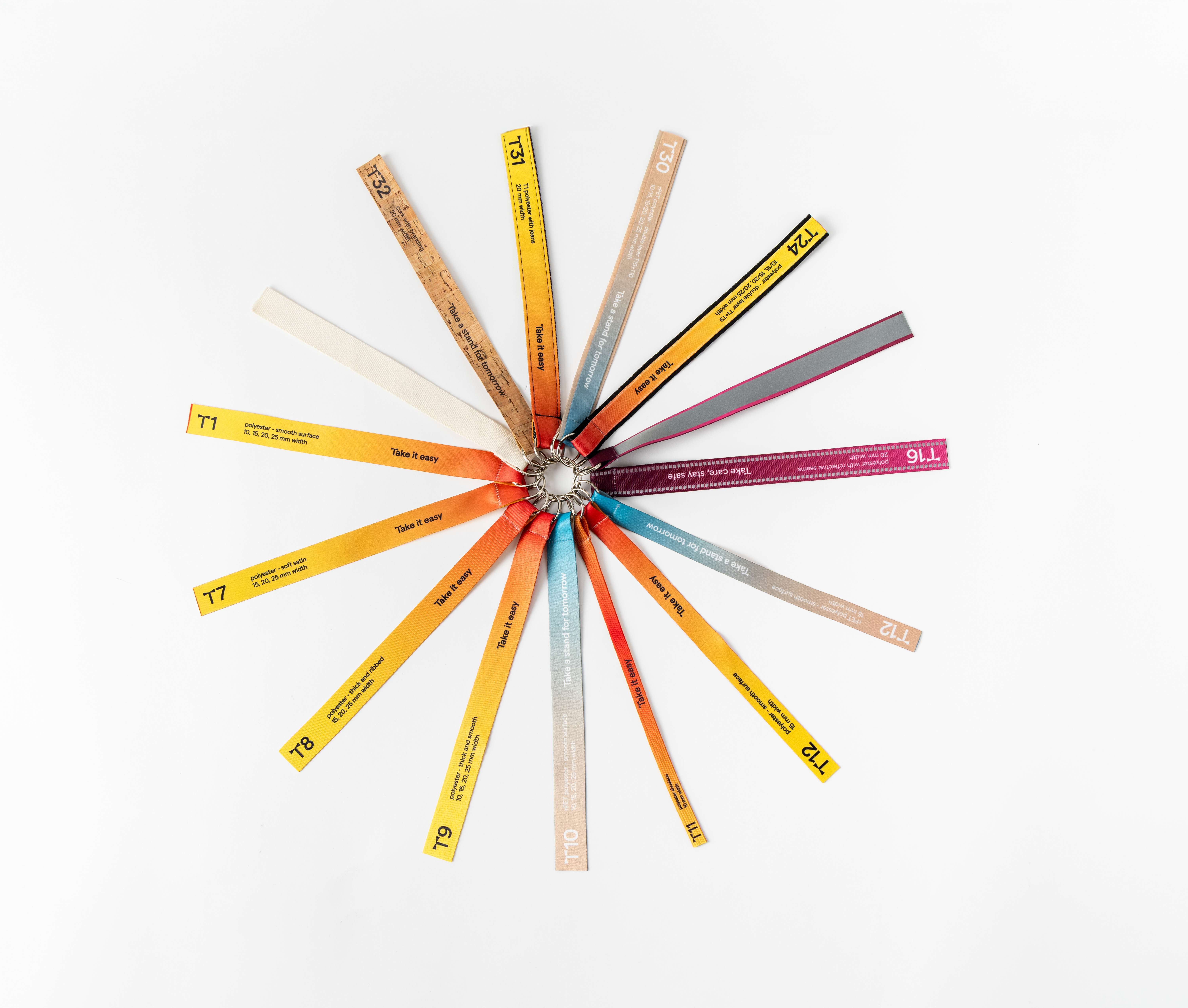
Flat tape (or flat lanyard) — a classic, single-layer ribbon similar to a standard woven band. It's the simplest construction available and appears in virtually every price list as the base option. Tunnel tape (also listed as braided tape or tunnel lanyard in many catalogues) refers to a thicker tape in the form of a soft, flattened tube — essentially a hollow braid, similar in feel to a shoelace. It's most commonly found on sport-style lanyard ranges. At first glance it can look like a thick flat tape, but the hollow tubular structure gives it an entirely different character and feel around the neck.
Satin, Sateen, and Other Finish Descriptions
Terms such as satin tape or sateen tape refer to a smooth, delicate surface finish. They describe material variants with a subtle sheen and exceptional softness to the touch. Manufacturers reserve these names for premium models where an elegant appearance and a perfectly smooth print surface are the priority. In practice, the two names are used interchangeably across different suppliers' catalogues.
Single-Sided and Double-Sided Lanyards
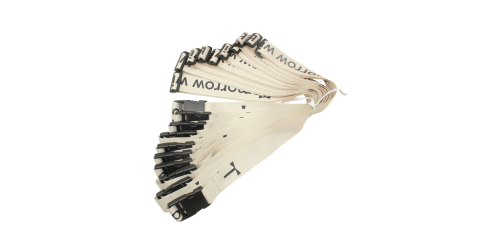
A single-sided lanyard carries print, branding, or colour on one face of the tape only (in the case of sublimation) or in the base colour of the unbleached material (for non-sublimation print techniques). A double-sided lanyard carries artwork on both the front and reverse. These terms appear in the product card either in the print parameters section or as separate line items in the price list.

Woven Lanyards vs. Printed Lanyards
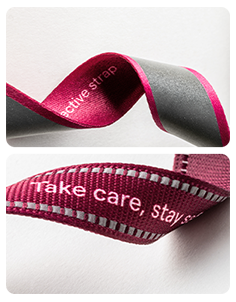
A woven lanyard is one where the logo is created directly from interlocking yarns during the weaving process itself — it is not applied externally as ink or dye. Don't confuse it with a printed lanyard: the woven construction produces a physically tactile pattern that you can feel with your fingertips. Many catalogues also list appliqué lanyards — these consist of two layers of tape (for example, a wide base tape onto which a narrower tape carrying the logo has been sewn on top).
Print and Marking Techniques — What the Names in a Catalogue Actually Mean
On supplier websites, print techniques often form separate product subcategories (e.g., "sublimation lanyards" alongside "screen-printed lanyards"). Here we explain each term purely as a technical concept, as it appears in product descriptions and specifications.
The Most Common Print Technique Names
- Sublimation print — a process in which dye is permanently driven into the fibre structure under high heat. In price lists it appears under full-colour print, capable of reproducing photography and complex tonal gradients. Unlike surface inks, sublimation print cannot be felt under the fingertip — because it's inside the fibre, not on top of it.
- Screen printing — a technique in which ink is forced through a mesh stencil directly onto the surface of the tape. In specifications it appears most often alongside lanyards printed in a limited number of colours (e.g., "screen print, 1–2 colours").
- Single-sided print / Double-sided print — these terms indicate whether the marking method covers only the outer face of the material, or both sides.
Thermal Transfer and Heat Transfer — Are They the Same Thing?
Yes — completely. Both names describe the same production process and are used interchangeably throughout the industry. The technique involves pressing a pre-cut design from a transfer film or paper onto the tape surface using a heat press. Many suppliers list thermal transfer lanyards as a separate section, aimed at projects that require particularly sharp, crisp edges on the printed design.
Weaving as a Separate Production Method
Weaving — the process by which a jacquard loom interweaves yarn so that the corporate logo becomes an integral part of the tape structure itself. On supplier websites this almost always has its own dedicated product tab, completely separate from printed ranges. Don't confuse weaving with inkjet printing, foil, or screen ink. If you want to compare print and weaving techniques side by side for a specific project, the TedGifted blog has a dedicated guide covering exactly that.
Terms That Appear Most Often in Accessory Descriptions and Specifications
Not every term in a product listing names a main product category. Many are simply technical parameters or assembly descriptions that recur across tables and configurators. Here's how to decode them.
Terms from Product Parameters
- Tape width — the fundamental parameter describing how wide the lanyard is. You'll most commonly encounter values in millimetres: 10 mm, 15 mm, 20 mm, and 25 mm. In the product card, width determines the size of the printable working area.
- Lanyard length — typically given as the total circumference measurement (most commonly around 90 cm of tape, which gives approximately 42–45 cm of hanging length once the tape is folded and sewn). This is the raw tape dimension — don't confuse it with the final wearing length once a buckle or carabiner clip is attached, as these fittings add a small amount to the overall drop.
Terms from Mounting Accessory Descriptions
- Components / Mounting accessories — umbrella terms used by manufacturers to refer to all the metal and plastic elements from which a lanyard is assembled: carabiner clips, split rings, breakaway connectors, and similar hardware. In a price list these appear either as part of the base specification or as selectable "upgrade options."
- Metal end tips — most commonly refers to the crimp end pieces or decorative metal press studs crimped onto the very ends of the tape. Their sole purpose is to conceal the stitching and elevate the overall finish.
Terms That Sound Technical But Are Simple in Practice
- Fastening / End fitting — often used by manufacturers as a general category heading in an online shop. "End fitting" typically refers to the bottom of the lanyard (where you clip your keys — e.g., the carabiner clip), while "fastening" more often refers to a release mechanism (e.g., the connector at the nape of the neck). In practice, many suppliers use these two terms interchangeably, so always check the product image or diagram if in doubt.
Most Commonly Confused Lanyard Terms
Most order mix-ups come down to customers and suppliers using similar-sounding words to mean entirely different things. The table below brings together the most important pairs to clear up any confusion.
Term A | Term B | Key difference |
Carabiner clip | Split ring | A carabiner clip is a spring-loaded clasp for attaching keys; a split ring is a simple loop, like a standard keyring. |
Buckle | Quick-release buckle | No functional difference — in most catalogues these are the same releasable plastic tri-glide snap. The difference is purely in the supplier's naming convention. |
Breakaway safety connector | Safety release | No functional difference — both terms refer to the same neck-protection mechanism that releases under sudden force. |
Sewn-in phone patch | Clip-on phone patch | The clip-on version (ring-mounted) can be removed from the carabiner clip at any time; the sewn-in version is permanently fixed. |
Cardholder | PVC sleeve | A cardholder is a rigid, moulded plastic case that protects a card from bending; a PVC sleeve is a soft, flexible transparent film. |
Tunnel tape | Flat tape | Tunnel tape is a hollow, tube-like braid (similar to a shoelace); flat tape is a classic single-layer ribbon. |
Single-sided lanyard | Double-sided lanyard | A double-sided variant carries print on both the front and reverse, so your logo is visible even if the lanyard twists around the neck. |
Thermal transfer | Sublimation print | Thermal transfer bonds a design onto the tape surface using heat and a foil or transfer film; sublimation permanently colours the fibres from within. |
Woven lanyard | Printed lanyard | A woven lanyard has its logo physically interlaced into the yarn during manufacture; a printed lanyard receives its design as an external application of ink or dye. |
How to Read a Manufacturer's Product Sheet Without Getting Lost
The easiest approach is to read a lanyard product card in a consistent sequence — one that lets you cut through the technical noise and go straight to what matters. This is exactly the structure you'll find in TedGifted product cards after you've configured your branded lanyard.
Where to Start with a Product Card
Begin by identifying the model or tape type the manufacturer is describing (e.g., "flat polyester tape"). This establishes the physical foundation of the product. Then note the width (e.g., 15 mm).
Which Words to Look for First
Once you know what substrate you're working with, move on to the print information. The key terms at this stage are single-sided print / double-sided print and the production technology — e.g., sublimation or screen printing. These two pieces of information tell you how prominently, and from how many sides, your logo will be visible.
When a Term Matters Functionally — and When It's Just a Spec Detail
Only after that should you look at accessories. Search for terms such as carabiner clip, quick-release buckle, or breakaway safety connector — these are the functionally important terms that directly affect how the lanyard is used every day. If, in the same description, you come across more granular detail such as "standard mounting components" or similar, you're looking at a technical specification that describes the manufacturing assembly process — useful context, but not something that requires a decision from you.
What Does "Carabiner Clip" Mean in a Lanyard Description?
It refers to the metal clasp at the bottom of the tape — an absolute industry standard in the lanyard world. It's used to attach keys, a USB drive, or a badge holder. In most catalogues it appears in a classic variant, commonly referred to by manufacturers as the "fish-style" clip.
What's the Difference Between a Buckle and a Quick-Release Buckle?
In everyday trade usage, there is no difference — the terms are interchangeable. Both refer to the plastic tri-glide snap fastener that allows you to detach the lower section of the lanyard, complete with attached keys, without removing the main loop from around your neck.
What Does a Manufacturer Mean by "Safety Release"?
This term refers to a plastic mechanism that releases the lanyard at the neck in an emergency. In a supplier's catalogue it typically appears as "breakaway safety connector." Its purpose is to protect the wearer: if the lanyard catches on machinery, a door handle, or similar, the mechanism releases automatically — no manual intervention required.
What Is a Phone Patch on a Lanyard?
It's a short, strong cord designed to hold older-style mobile phones, USB drives, or small electronic accessories. You can use it to attach items that don't have a hole or loop large enough to accept a standard carabiner clip directly.
What's the Difference Between a Sewn-In and a Clip-On Phone Patch?
The difference lies in how the accessory is installed. A sewn-in phone patch is permanently integrated into the stitching of the tape at the carabiner end and cannot be detached. A clip-on phone patch has a small split ring that attaches to the carabiner clip — meaning you can remove it whenever it's no longer needed.
What Does "Tunnel Tape" Mean?
It refers to a specific hollow braid construction — the material forms a soft tube (similar to a shoelace) that is thicker and more cushioned than standard flat tape. In supplier catalogues it frequently appears under the alternative name "braided tape." Because of its double-wall thickness, it sits differently around the neck compared to a flat ribbon — it has more body and a sportier feel.
What Do "Single-Sided" and "Double-Sided" Mean for a Lanyard?
These terms describe how many faces of the tape carry printed artwork or branding. A single-sided lanyard has the logo on the front face, while the reverse remains unprinted. A double-sided lanyard allows full print coverage across the entire tape — both faces.
Are Thermal Transfer and Heat Transfer the Same Thing?
Yes — they are exact synonyms for the same production process. The technique involves pressing a design into the tape surface using a heat press. You may see both terms in a specification if the manufacturer is offering an alternative to sublimation or screen printing.
What's the Difference Between a Woven Lanyard and a Printed Lanyard?
The difference is in how the logo is applied. A printed lanyard receives its design as an external layer of colour applied to the flat tape surface. A woven lanyard has its logo built into the material itself — the design is physically interlaced with the yarns that form the tape during production.
What Is a Cardholder and How Does It Differ from a PVC Sleeve?
A cardholder is a rigid, moulded plastic case for an ID card or access card, designed to protect it from bending or cracking. The easiest way to tell it apart from a PVC sleeve: a sleeve is made from soft, thin, flexible PVC that folds easily, while a cardholder holds its shape and keeps the card flat and protected.
Summary
Lanyard manufacturer terminology can look daunting at first, but once the key concepts are organised by category, it becomes much more approachable. In practice, the vast majority of terms fall into four main groups: accessories, tape types, construction variants, and print techniques.
Most ordering errors in the promotional products industry stem from similar-sounding terms being used for entirely different components — for example, a carabiner clip and a split ring, or a quick-release buckle and a breakaway safety connector. Once you understand what terms like these actually mean — quick-release buckle, breakaway safety connector, tunnel tape, thermal transfer — reading a product card becomes straightforward. The clearer your grasp of this language, the faster you can place your order and the more productive your conversation with the manufacturer or distributor will be, on both sides.